
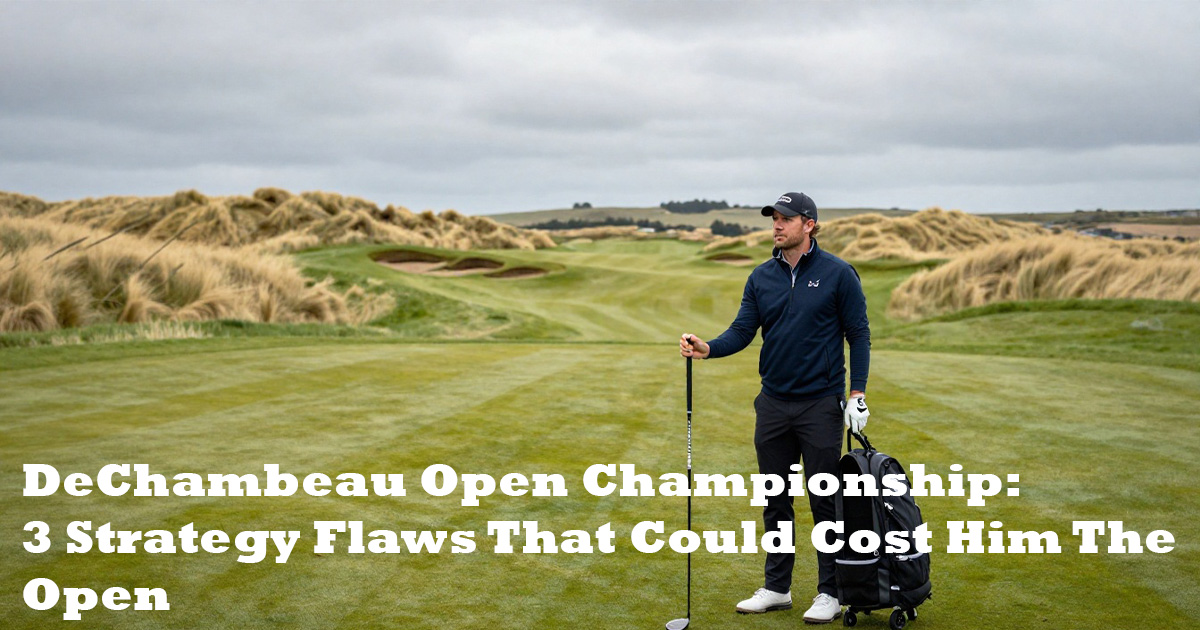
The DeChambeau Open Championship story has become one of the biggest talking points in golf ahead of this year’s major. Bryson DeChambeau’s unique combination of power, technology, and preparation has always created headlines, but his approach will face its biggest test on a demanding links course.
He has built his career around power, science, and preparation. His analytical approach changed how many golfers think about distance and equipment.
But major championships often demand something more.
They require patience, creativity, and the ability to adjust when conditions become difficult. This is especially true at The Open Championship, where wind, firm fairways, and unpredictable bounces can completely change a player’s strategy.
DeChambeau arrives with questions surrounding his recent major performances. After a strong period earlier in his career, he has struggled to consistently compete on golf’s biggest stages.
Now, the challenge is clear. Can his power-based approach succeed on a traditional links course, or does he need to change his strategy?
Sir Nick Faldo believes the answer is obvious.
According to Faldo, DeChambeau’s biggest weakness is not his swing or equipment. It is his understanding of strategy.

Why The DeChambeau Open Championship Challenge Is Different
The Open Championship is unlike any other major tournament.
Players are not only competing against each other. They are also battling the course itself.
Links golf creates challenges that cannot always be solved with power.
A perfect drive can end up in an unlucky position because of a small bounce. A shorter club can sometimes be the smarter choice because it keeps the ball in play.
Royal Birkdale represents everything difficult about links golf.
The course features:
- Narrow landing areas surrounded by trouble
- Deep pot bunkers
- Uneven fairways
- Fast greens
- Changing weather conditions
The DeChambeau Open Championship challenge is about understanding these details.
A player cannot simply overpower every hole. They must think several shots ahead.
The best links players understand that controlling the ball is often more important than hitting the ball farther.
Nick Faldo’s Strong Criticism of DeChambeau’s Strategy
The biggest question surrounding the DeChambeau Open Championship campaign is whether power alone can overcome the challenges of links golf. While his driving distance creates opportunities, major success requires smart decisions, patience, and complete control of the course.
Sir Nick Faldo has never been afraid to express his opinion, and his comments about DeChambeau created plenty of debate.
Faldo suggested that DeChambeau lacks the correct strategy for links golf. His argument is that players should not try to attack every opportunity.
Instead, they should carefully position the ball and allow the course to work in their favor.
This philosophy helped Faldo become one of the greatest major championship players of his generation.
His approach was based on planning.
Before hitting a shot, he considered:
- Where the safest landing area was
- Which side of the green offered the best chance
- How the wind would affect the ball
- Where missed shots would leave easier recovery options
For DeChambeau, this represents a different way of thinking.
His natural style is aggressive and data-driven. The challenge is finding the balance between confidence and control.
DeChambeau Open Championship: Why Power Alone Is Not Enough
The first major concern in the DeChambeau Open Championship discussion is his dependence on distance.
There is no doubt that DeChambeau’s power is impressive.
When conditions are favorable, his driving ability can completely change a golf course. He can create shorter approaches and put pressure on opponents.
However, links golf does not always reward maximum distance.
A powerful drive that finds rough or a difficult lie can create more problems than advantages.
Many successful Open Championship players focus on placement rather than distance.
They understand that a 280-yard drive from the fairway is often better than a 350-yard drive from trouble.
The key question for DeChambeau is whether he can resist the temptation to attack every hole.
His biggest strength can become a weakness if he uses it at the wrong time.
DeChambeau Open Championship: The Challenge of Adapting to Links Golf
The second issue is adaptation.
Links golf requires players to think differently.
Traditional golf often rewards high shots that stop quickly on greens. Links courses frequently require lower shots, creative recovery options, and a better understanding of the ground.
The ball does not always behave as expected.
A smart player uses slopes and natural movement to their advantage.
This is where experienced links players have an advantage. They understand that the course does not need to be defeated.
It needs to be managed.
For the DeChambeau Open Championship challenge, learning this mindset could make the difference between another early exit and a deep tournament run.
DeChambeau does not need to abandon his aggressive style completely.
Instead, he needs to know when aggression creates an advantage and when patience is the better weapon.
DeChambeau Open Championship: Equipment Cannot Replace Smart Decisions
DeChambeau is famous for innovation.
From his unique swing method to his detailed equipment testing, he constantly searches for improvements.
Recently, he has introduced new 3D-printed irons designed to improve consistency from difficult lies.
That technology could provide an advantage.
However, equipment alone cannot solve strategic mistakes.
A better club cannot choose the correct target.
A better groove design cannot prevent a poor decision.
The greatest players in golf history used technology, but they also relied on experience and judgment.
The modern game combines both.
For DeChambeau, the next step is using his scientific knowledge alongside traditional course management.
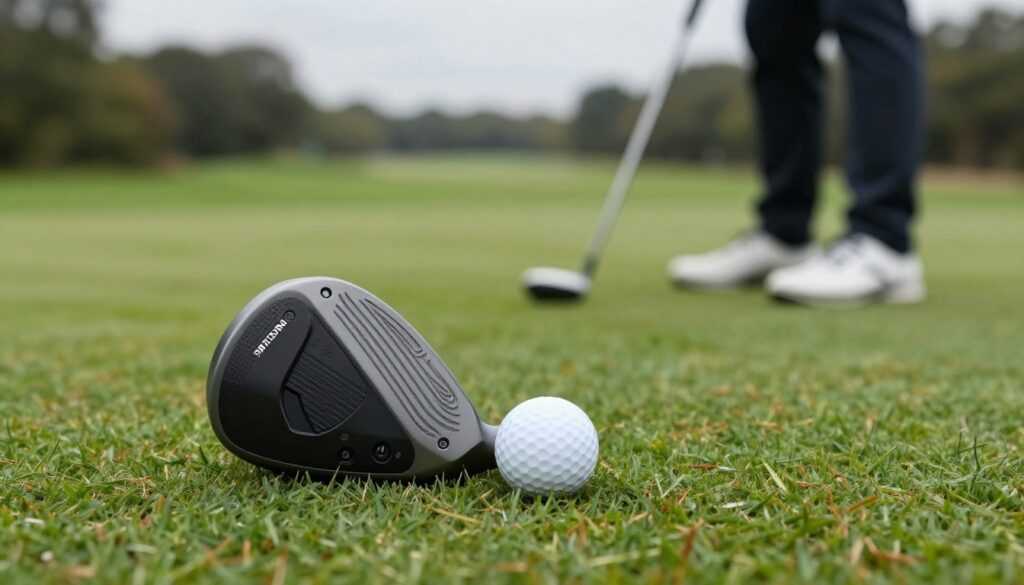
DeChambeau Open Championship: Can New 3D-Printed Irons Change His Fortune?
The new equipment adds another interesting element to the DeChambeau Open Championship storyline.
DeChambeau believes the irons can improve performance, especially when playing from rough conditions.
That could help during a difficult Open week.
However, major championships are rarely decided by equipment alone.
Small advantages matter, but decision-making matters more.
A player still needs to understand:
- When to attack
- When to play safely
- Which areas of the course to avoid
- How to recover from mistakes
If DeChambeau combines his technology with smarter strategy, the new clubs could become a valuable tool.
If not, they may simply become another experiment that cannot solve the bigger issue.
DeChambeau Open Championship: What He Must Do to Contend
To succeed at The Open Championship, DeChambeau needs a balanced approach.
Here are three changes that could improve his chances.
Prioritize Fairways
Keeping the ball in play should be the first goal.
A comfortable approach from the fairway is often more valuable than a risky drive that creates trouble.
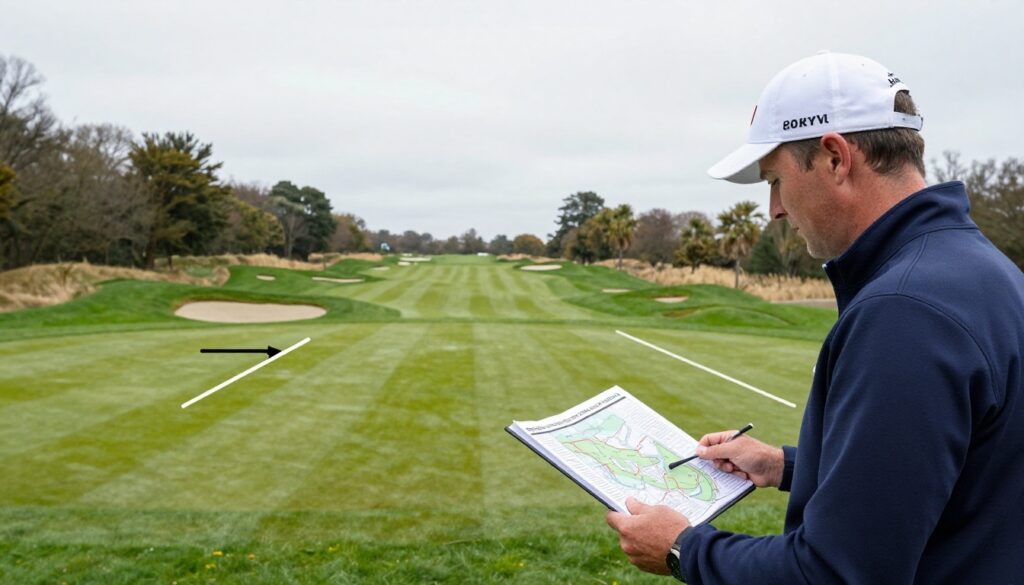
Plan Shots From the Green Backward
Great links players think about where they want the ball to finish before choosing a club.
This helps them avoid dangerous areas.
Stay Patient
Major championships reward discipline.
A player does not need to win every hole.
Sometimes the smartest move is accepting a safe result and waiting for opportunities.
DeChambeau has already shown he can compete with the best players in the world.
Now he must prove he can adapt.