
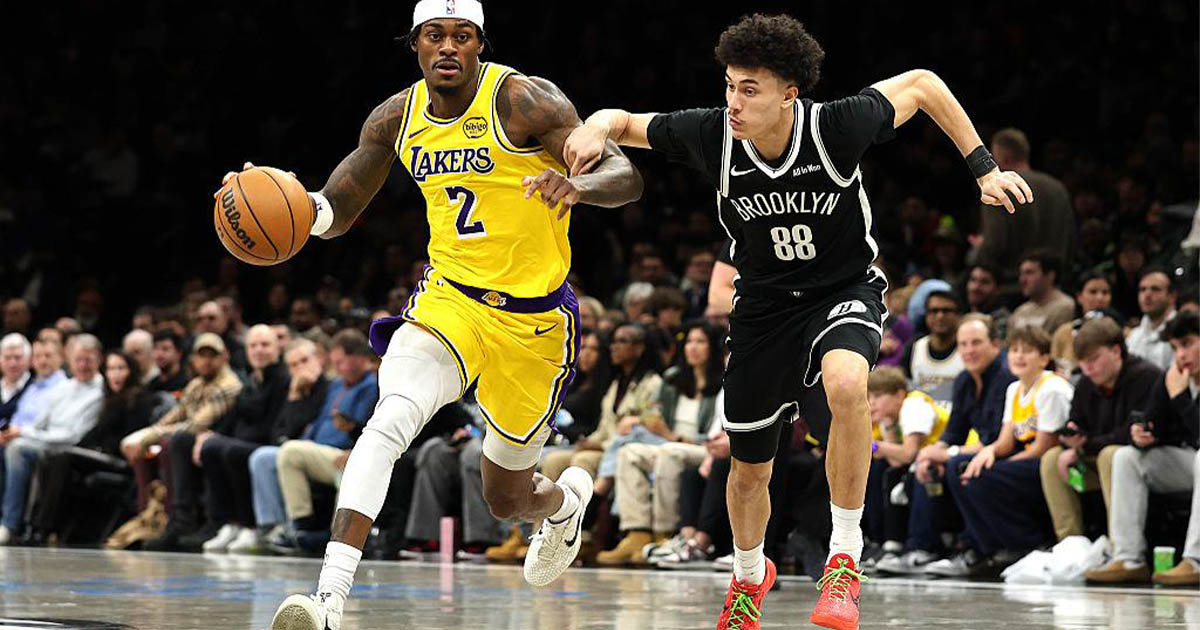
Why Lakers vs Nets Deserves More Attention Than the Headlines Suggest
How Recent Form Skews Public Expectations
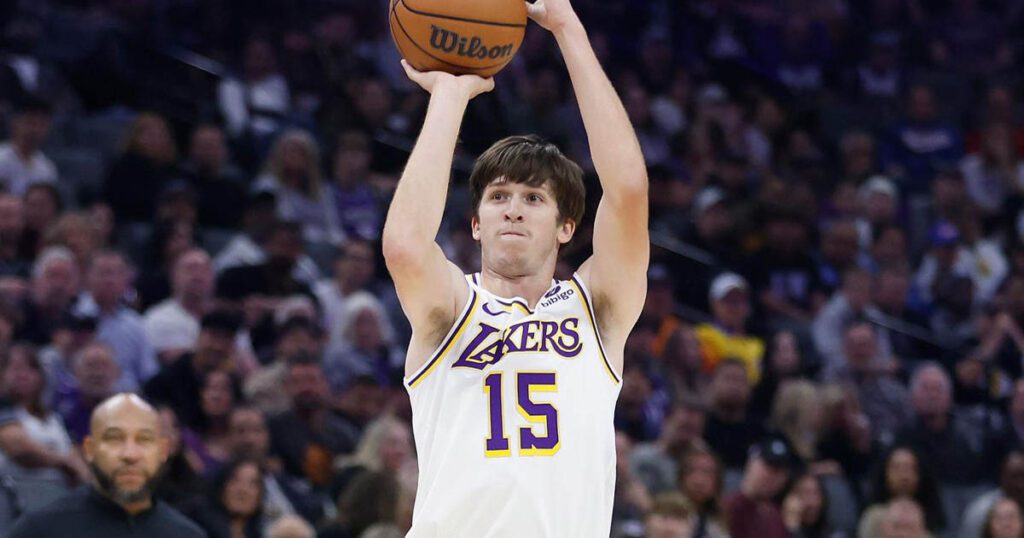
When fans scan the schedule, Lakers vs Nets might not always jump off the page as a blockbuster matchup. One team may be climbing the standings while the other is fighting inconsistency. On paper, the result can look predictable.
But basketball is rarely played on paper.
When the Los Angeles Lakers face the Brooklyn Nets, the game often turns volatile in ways that traditional stats don’t fully explain. Styles clash. Momentum swings hard. Role players step into unexpected spotlight moments.
Here’s why Lakers vs Nets is far more explosive than it looks — and why this matchup deserves far more attention than casual previews give it.
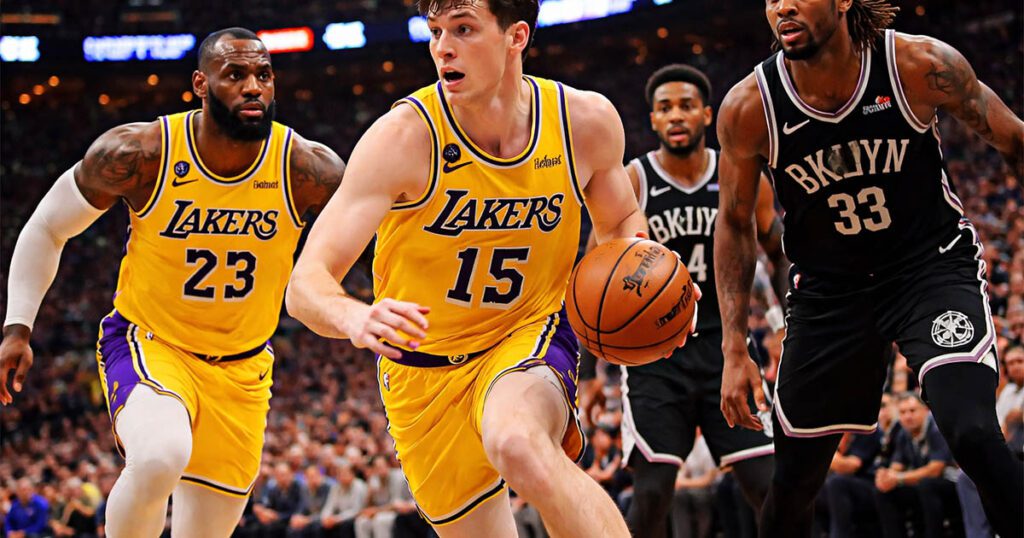
Why Lakers vs Nets Deserves More Attention Than the Headlines Suggest
At first glance, this matchup appears straightforward. One side has the bigger stars, the louder headlines, and the stronger national presence. The other often flies under the radar. But that imbalance is exactly what makes Lakers vs Nets dangerous.
How Recent Form Skews Public Expectations
Basketball fans tend to judge teams by their last few games. A hot streak or a cold stretch quickly becomes a narrative. The Lakers are often evaluated through the lens of star performance and championship expectations, while the Nets are framed as a rebuilding or transition team.
The problem? Recent form hides matchup-specific issues. Brooklyn has consistently shown the ability to disrupt teams that rely heavily on rhythm and predictability. Los Angeles, meanwhile, has proven vulnerable when forced into uncomfortable offensive patterns.
Why Raw Stats Don’t Capture Matchup Volatility
Box scores don’t show hesitation, defensive confusion, or momentum swings. They don’t capture how quickly a five-point run can become a fifteen-point avalanche.
Lakers vs Nets thrives in those invisible spaces — where pace changes, bench units collide, and composure is tested possession by possession.
1 – Austin Reaves Changes the Lakers’ Offensive Rhythm
Few players influence flow without dominating usage quite like Austin Reaves. His impact goes far beyond points.
Reaves’ Decision-Making Under Defensive Pressure
Reaves thrives when defenses are focused elsewhere. He reads help defenders well, attacks mismatches decisively, and punishes hesitation. Against a Nets defense that prioritizes movement and recovery, Reaves becomes a pressure point.
When he’s aggressive, the Lakers’ offense flows faster and cleaner. When he’s passive, possessions stall.
Why the Nets Struggle Against Secondary Playmakers
Brooklyn’s defensive schemes are designed to limit primary threats. What they don’t always handle well are secondary creators who can score or pass on the move. Reaves sits squarely in that category.
In Lakers vs Nets, his presence often forces Brooklyn into uncomfortable rotation decisions — and that’s where chaos begins.
2 – Brooklyn’s Defensive Schemes Disrupt Star-Driven Teams
The Nets don’t rely on one defensive identity. They adapt.
Switching Defenses That Slow Isolation Basketball
Brooklyn frequently mixes switches, soft hedges, and delayed traps. These tactics don’t always produce immediate turnovers, but they interrupt timing.
Star-driven teams like the Lakers rely on rhythm. Even a half-second delay can derail an entire possession.
How the Nets Force Role Players Into Tough Shots
Rather than overcommitting to stars, the Nets often dare role players to beat them consistently. In Lakers vs Nets, this strategy tests discipline.
If role players rush shots or lose spacing, Brooklyn gains control without ever needing a scoring run.
3 – Lakers vs Nets Pace Creates Unpredictable Momentum Swings
Few matchups swing momentum as violently as this one.
How Transition Baskets Shift Game Control
Both teams thrive in transition — but for different reasons. The Lakers punish defensive mistakes with power and precision. The Nets exploit overconfidence with speed and spacing.
One careless possession can flip control instantly.
Why Both Teams Thrive in Short Scoring Runs
Neither side needs long dominance stretches. A two-minute burst is often enough to swing momentum. That volatility makes Lakers vs Nets incredibly difficult to predict, even late in games.
4 – Bench Production Makes Lakers vs Nets Unstable Late
Star power grabs headlines. Benches decide outcomes.
Second-Unit Scoring Gaps That Appear Suddenly
Brooklyn’s bench thrives on energy and ball movement. The Lakers’ bench often relies on matchup advantages. When rotations misalign, scoring gaps appear quickly.
A neutral game can turn lopsided in under three minutes.
Why Bench Minutes Decide More Than Star Minutes
In Lakers vs Nets, bench units often face each other without clear hierarchy. That uncertainty favors aggression — and aggression creates explosive swings.
5 – Brooklyn’s Spacing Tests Lakers’ Defensive Discipline
Spacing isn’t just about shooting percentages. It’s about movement.
Perimeter Movement That Pulls Defenders Out of Position
The Nets excel at dragging defenders into uncomfortable decisions. Off-ball movement forces communication, switching, and trust.
Any breakdown leads to open looks — or worse, scrambling recoveries.
The Cost of Late Rotations Against the Nets
Late rotations don’t just give up points. They sap energy and confidence. Against Brooklyn, a few late steps can unravel an entire defensive scheme.
6 – Emotional Momentum Plays a Bigger Role Than Matchups
This game is rarely calm.
How Quick Scoring Runs Trigger Confidence Swings
Basketball is emotional. A deep three, a chasedown block, a transition dunk — each moment shifts belief.
In Lakers vs Nets, those moments come in waves.
Why Crowd Energy Matters Even in Road Games
The Lakers bring attention everywhere they go. That spotlight fuels the Nets. Every big play feels amplified, creating playoff-like intensity in regular-season settings.
7 – Late-Game Execution Separates Prediction From Reality
When games tighten, theory collapses.
Shot Selection Under Pressure in the Final Minutes
The final three minutes of Lakers vs Nets often decide everything. Shot selection becomes conservative or reckless — rarely balanced.
Teams that remain patient gain the edge.
Why Close Games Favor Composure Over Star Power
Stars matter. Composure matters more. Brooklyn’s willingness to share responsibility often clashes with the Lakers’ reliance on decisive leadership.
That contrast defines the ending.
Final Takeaway – Why Lakers vs Nets Rarely Follows the Script
On paper, this matchup looks manageable. On the court, it’s anything but.
What This Game Reveals About Both Teams’ Ceiling
For the Lakers, Lakers vs Nets tests adaptability. For the Nets, it tests belief. Each possession becomes a referendum on identity.
Why “On Paper” Predictions Keep Falling Apart
Because basketball isn’t played on spreadsheets. It’s played in moments — and this matchup creates more unpredictable moments than most.
Lakers vs Nets isn’t quiet. It’s explosive. And it almost never goes as expected.
Also read for more information : Lakers’ Austin Reaves (calf) back in action against Nets
Read next on Dribkick : 7 Explosive Reasons Lakers vs Raptors Is an Unmissable NBA Showdown
Spurs vs Knicks: 7 Defining Moments That Shaped the NBA Cup Battle