
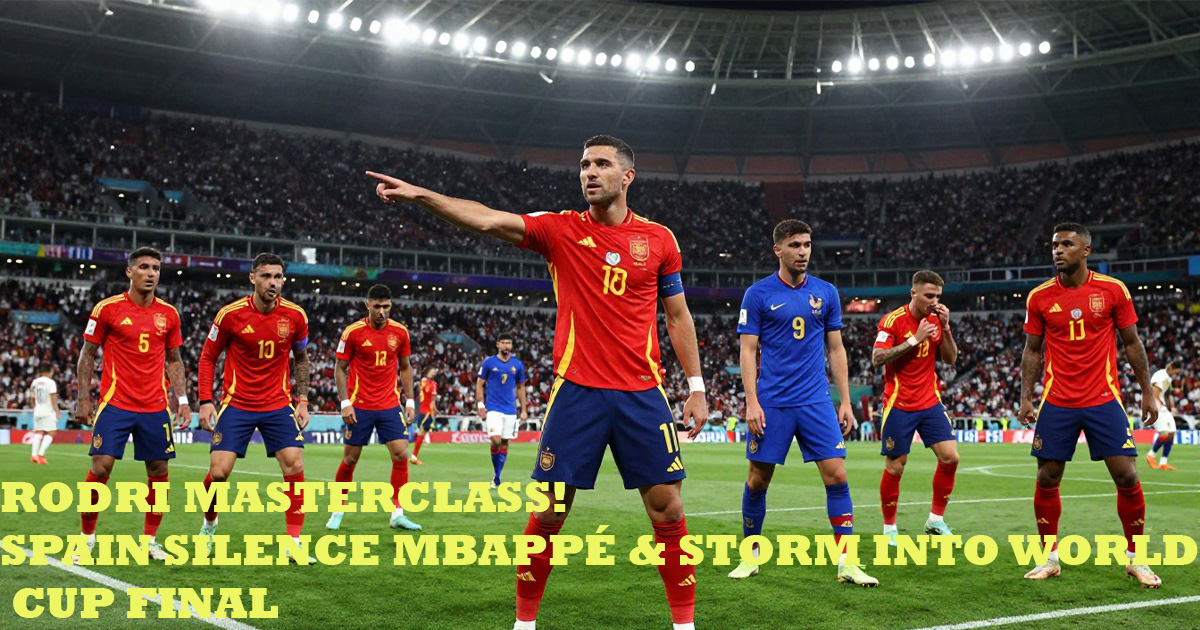
The Spain World Cup Semi Final will be remembered as one of the most impressive performances of the tournament. Spain defeated France 2-0 in Dallas to book their place in the FIFA World Cup final. However, the scoreline did not fully show how much control Spain had throughout the match.
From the very first whistle, Spain dominated possession, controlled the pace, and made it difficult for France to create chances. Mikel Oyarzabal gave La Roja the lead from the penalty spot, while Pedro Porro later scored a brilliant second-half goal to complete a deserved victory.
The Spain World Cup Semi Final was a defining moment that showcased Spain’s tactical intelligence, midfield control, and ability to compete against the world’s best teams.
Among all the outstanding performances, Rodri was the clear standout. The Manchester City midfielder delivered a world-class display, stopping Kylian Mbappé from finding space and controlling the midfield battle from start to finish.
Meanwhile, Spain looked calm, organized, and confident in every area of the pitch. France had talented players, but they struggled to build attacks and rarely tested Spain’s defense.
Overall, the Spain World Cup Semi Final was a perfect example of tactical planning, teamwork, and individual quality working together on football’s biggest stage.
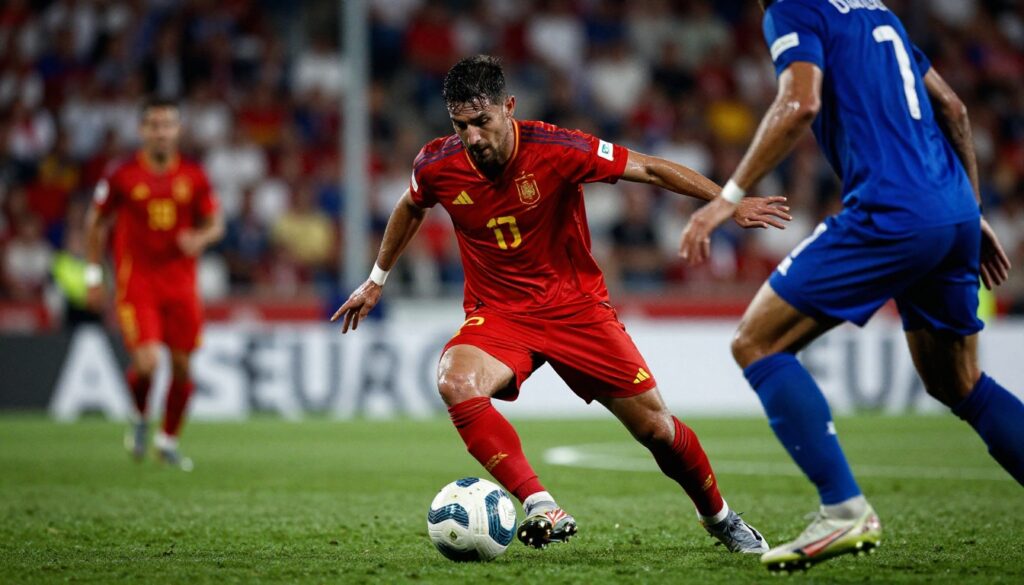
Rodri’s Midfield Masterclass Defines Spain World Cup Semi Final
Every successful team has a player who controls the game without always being in the spotlight. For Spain, that player was Rodri.
His performance was not just impressive; it was close to perfect.
Throughout the match, Rodri showed excellent positioning, smart passing, and strong defensive awareness. He won the ball back, kept possession moving, and helped Spain build attacks. As a result, France struggled to create clear opportunities through the middle.
His statistics showed just how important he was:
- 94% pass completion
- Eight ball recoveries
- Zero shots on target allowed from his area
- Outstanding defensive positioning throughout the match
However, the numbers only explain part of Rodri’s impact.
His movement and reading of the game forced France’s midfielders into difficult situations for almost the entire match. Whenever France tried to play through the center, Rodri was already prepared to block the passing option.
In addition, his calmness under pressure gave Spain confidence in possession. Because of his control and decision-making, teammates had more freedom to move forward and attack.
Ultimately, Rodri’s display was considered one of the best midfield performances in a World Cup knockout match. His leadership played a major role in helping Spain dominate the Spain World Cup Semi Final.
Spain World Cup Semi Final : How Rodri and La Roja Stopped Mbappé
Rodri’s positioning was one of the biggest reasons behind Spain’s success in the Spain World Cup Semi Final. While his teammates moved forward, he stayed focused behind the attack, protecting the defense and controlling the space between midfield and the back line. Because of this, France struggled to find passing options and often had to make rushed decisions.
Stopping Kylian Mbappé is one of football’s biggest challenges. However, Spain managed to limit his influence through smart teamwork and careful planning. Instead of relying on one player to mark him, La Roja created a defensive system designed to block the passes reaching him.
In particular, Rodri played a key role by positioning himself between France’s midfield and attack. This made it extremely difficult for Aurélien Tchouaméni and Adrien Rabiot to provide Mbappé with quality service.
Whenever Mbappé moved into dangerous areas, Rodri quickly adjusted his position and closed the available space.
As a result, Mbappé received very few useful passes and spent much of the match collecting the ball far away from Spain’s goal. Rather than attacking defenders in open space, he was forced to move backward and search for the ball.
The Spain World Cup Semi Final demonstrated how Spain’s flexible formation created problems for France throughout the match.
Furthermore, Spain’s defensive organization prevented Mbappé from finding the one-on-one situations where he is usually most dangerous.
By the final whistle, the French forward had failed to record a shot on target. Ultimately, that statistic perfectly reflected Spain’s defensive discipline and Rodri’s outstanding control of the match.
Spain World Cup Semi Final: Tactical Brilliance That Changed Everything
Spain’s World Cup semi-final performance against France was a masterclass in tactical planning, teamwork, and control. From the first whistle, Spain showed a clear identity built around intelligent movement, midfield dominance, and disciplined defending.
Spain’s Flexible Formation Controlled the Match
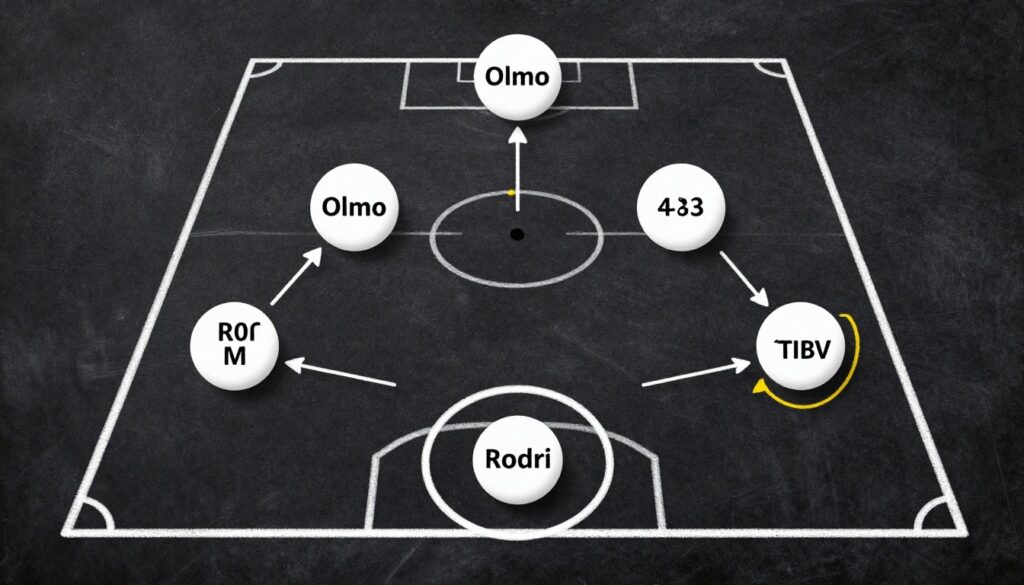
Spain started with a 4-3-3 formation, but their shape changed constantly when they moved forward. The system allowed them to create extra numbers in midfield and force France into difficult defensive situations.
When Spain had possession, Dani Olmo moved into central areas to create an advantage against France’s midfield. This small tactical change gave Spain more control and helped them dominate the middle of the pitch.
Rodri stayed deeper to protect the defense, while Fabián Ruiz pushed forward to support attacks. On the wings, Pedro Porro and Marc Cucurella moved higher up the pitch, stretching France’s defensive structure and creating space for Spain’s attackers.
Every player understood their role, and every movement had a clear purpose. France struggled to match Spain’s organization and intensity.
Even after losing possession, Spain quickly recovered the ball through coordinated pressing from their midfielders and forwards. This defensive effort stopped France from launching dangerous counterattacks and allowed Spain to control the rhythm of the match.
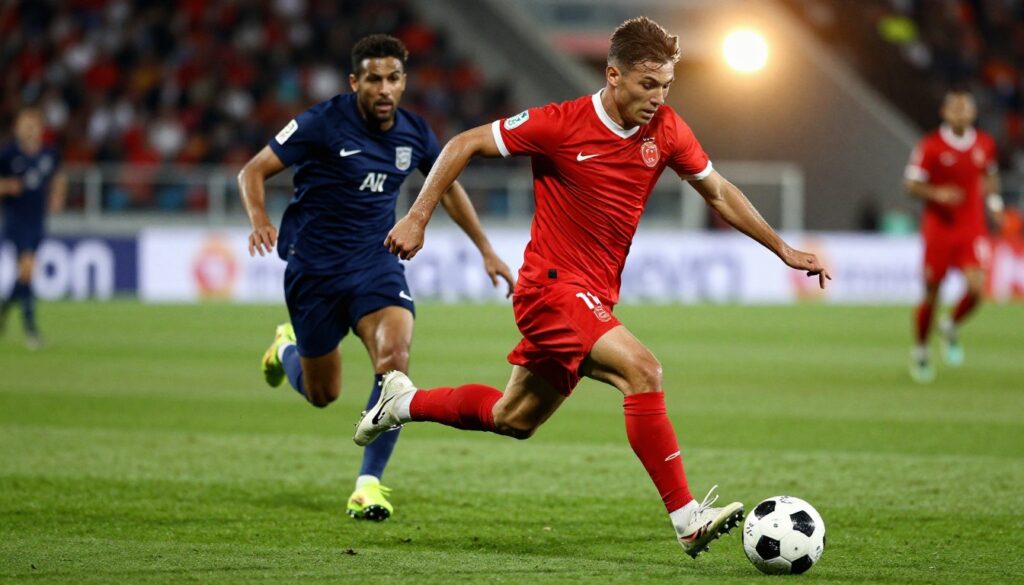
Spain’s Key Performers Who Made the Difference
Rodri: The Leader in Midfield
Rodri was the standout performer of the match. His intelligent positioning, accurate passing, and defensive awareness allowed Spain to control important moments throughout the game.
Rodri’s performance in the Spain World Cup Semi Final proved why he is considered one of the most complete midfielders in modern football.
He constantly provided passing options, broke up French attacks, and guided Spain’s midfield with confidence. His leadership was one of the biggest reasons behind Spain’s dominance.
Fabián Ruiz: The Perfect Midfield Partner
Fabián Ruiz worked brilliantly alongside Rodri. He covered large areas of the pitch, recovered possession, and helped Spain move the ball into dangerous attacking positions.
During the Spain World Cup Semi Final, France struggled to find solutions against Spain’s organized defensive structure.
His energy and movement allowed Spain to maintain control while creating more attacking opportunities.
Pedro Porro: Attack and Defensive Balance
Pedro Porro combined attacking ambition with defensive responsibility. His powerful finish for Spain’s second goal showed his excellent timing and ability to contribute in crucial moments.
His forward runs caused problems for France’s defense throughout the match.
Dani Olmo: Creativity Between the Lines
Dani Olmo constantly found spaces that France failed to protect. His movement, creativity, and link-up play helped Spain maintain possession and create attacking opportunities.
By drifting into midfield areas, he gave Spain another passing option and made France’s defensive structure harder to maintain.
Lamine Yamal: A Constant Threat
Although Lamine Yamal did not score, he remained one of Spain’s most dangerous attackers.
His pace, dribbling, and confidence created problems for France’s defenders. His movement eventually led to the penalty that helped Spain take the lead.
Mikel Oyarzabal: Calm Under Pressure
Mikel Oyarzabal showed excellent composure when converting the penalty. His contribution was not limited to scoring, as he also worked hard defensively and supported Spain during transitions.
France’s Struggles Against Spain’s Tactical Setup
The semi-final highlighted the problems France faced against a well-organized Spanish side.
France had world-class players, but they struggled to create chances, control possession, and break through Spain’s defensive structure. Their attacking players often appeared isolated because Spain’s pressing prevented them from building momentum. The Spain World Cup Semi Final showed that tactical preparation can overcome individual brilliance.
Kylian Mbappé: Limited Influence
Kylian Mbappé entered the match as France’s biggest attacking threat, but Spain successfully reduced his impact.
The forward struggled to find space behind Spain’s defense and received limited service from midfield. Rodri’s positioning and Spain’s defensive organization made it difficult for Mbappé to influence the game.
Without enough support from his teammates, even one of football’s most dangerous attackers found it difficult to make a difference.
Michael Olise: Unable to Create Opportunities
Michael Olise was expected to provide creativity, but Spain’s pressing limited his influence.
He struggled to find space, turn toward goal, and create dangerous attacking situations for France.
Adrien Rabiot: Overpowered in Midfield
Adrien Rabiot faced a difficult challenge against Spain’s midfield trio.
The movement of Rodri, Ruiz, and Olmo created problems for him throughout the match. His early substitution showed France’s difficulties in controlling the center of the pitch.
Spain’s Tactical Advantage Over France
The biggest difference between the teams was not individual talent. It was structure.
France had exceptional players, but Spain operated as a complete unit. Their midfield triangle created constant passing options, while their defenders were comfortable maintaining a high line.
France often struggled when trying to progress the ball forward. Their midfield pairing of Aurélien Tchouaméni and Rabiot faced a numerical disadvantage against Spain’s three-man midfield.
Spain used quick passing and constant movement to force France’s defenders into uncomfortable positions. Over time, those small defensive weaknesses became bigger problems.
Defensive Strength Behind Spain’s Victory
While Rodri received much of the attention, Spain’s defensive performance was equally important.
Spain’s defensive discipline during the Spain World Cup Semi Final was one of the biggest reasons behind their victory.
The back line remained calm, organized, and prepared for France’s attacking threats.
Aymeric Laporte: Defensive Control
Aymeric Laporte delivered a strong performance with his aerial ability and composure on the ball.
His passing helped Spain escape pressure and start attacks from deep positions.
Pau Cubarsí: Mature Beyond His Years
Pau Cubarsí showed remarkable confidence on the biggest stage.
His recovery speed and decision-making helped Spain deal with France’s quick attacking transitions.
Marc Cucurella: Reliable Defensive Work
Marc Cucurella produced an underrated display. He stayed disciplined, protected his side of the pitch, and limited France’s ability to create dangerous crosses.
What Spain’s Semi-Final Victory Means
Spain’s World Cup semi-final victory proved that La Roja are not only talented but also tactically complete.
Their success is based on balance, discipline, creativity, and teamwork. They have experienced leaders like Rodri and exciting young players who bring energy and confidence.
Spain’s midfield control has become their greatest strength. It allows their attacking players to express themselves while maintaining defensive stability.
Looking back at the Spain World Cup Semi Final, it was clear that teamwork and tactical execution separated Spain from France.
Spain World Cup Semi Final:The Beginning of a New Spanish Golden Generation
This Spain team represents a new chapter in the country’s football history.
Previous Spanish teams were famous for possession and technical ability. The current generation has added speed, physical strength, defensive discipline, and more direct attacking play.
Young stars such as Lamine Yamal and Pau Cubarsí represent the future, while experienced players like Rodri provide the leadership required at the highest level.
This combination of youth and experience makes Spain one of the most exciting teams in world football.
The Spain World Cup Semi Final was more than a victory over France. It was a statement that modern football requires teamwork, tactical intelligence, and complete commitment from every player.
Spain’s organization, midfield dominance, and fearless young talents created the difference. Rodri controlled the game, La Roja executed their plan perfectly, and the team produced one of their most complete tournament performances.
France entered the match with some of the best attacking players in the world, but Spain’s structure and discipline proved too strong.
The Spain World Cup Semi Final will be remembered as a match where Spain’s new generation announced itself on the biggest stage.
The final challenge awaits, but Spain have already delivered a performance that will be remembered for years. Their victory was built on intelligence, unity, and belief.