
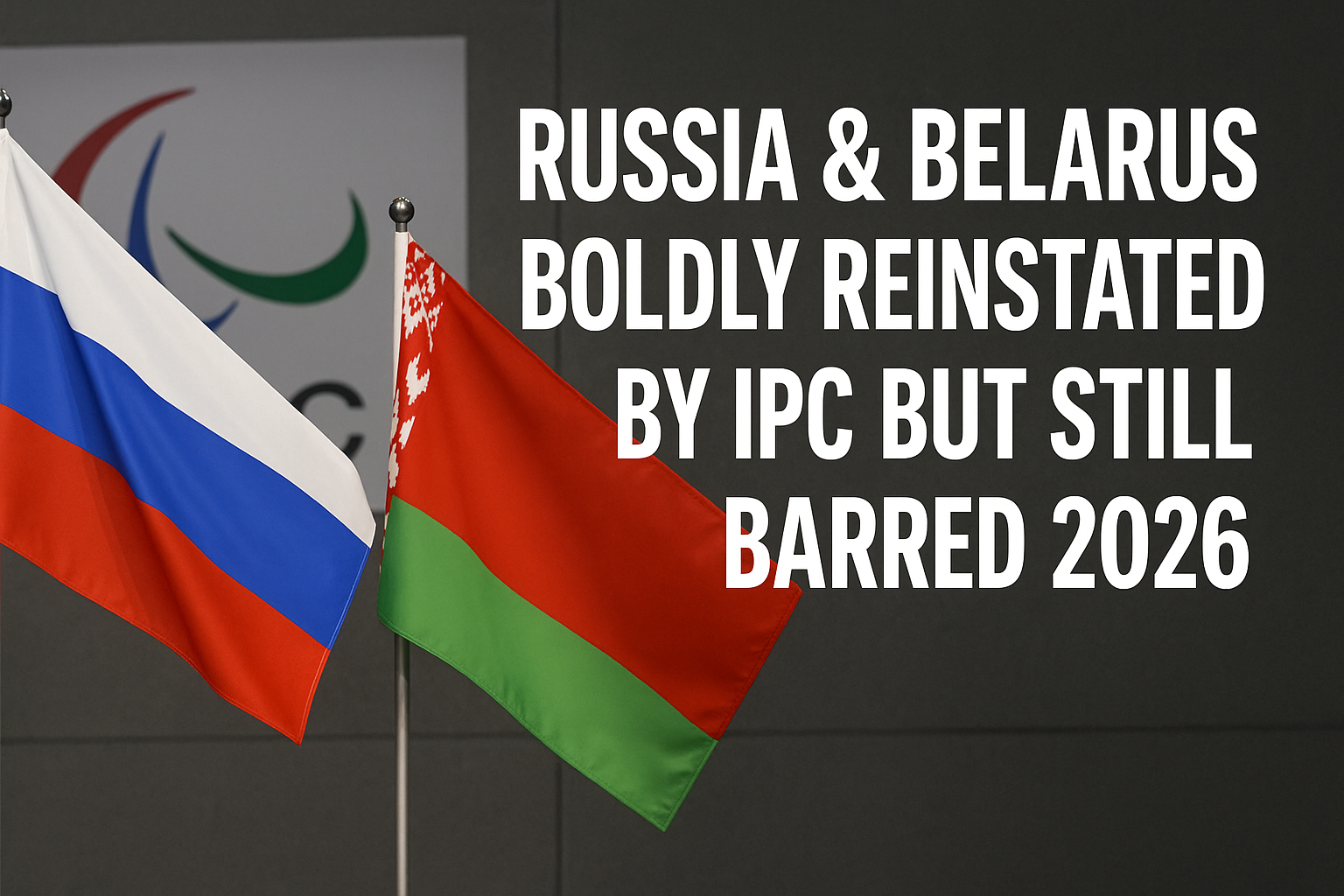
Russia & Belarus Face Paralympic Roadblock After Reinstatement
Russia & Belarus regain IPC membership but remain barred from competing at Milano Cortina 2026, as the committee weighs fairness, politics, and integrity.
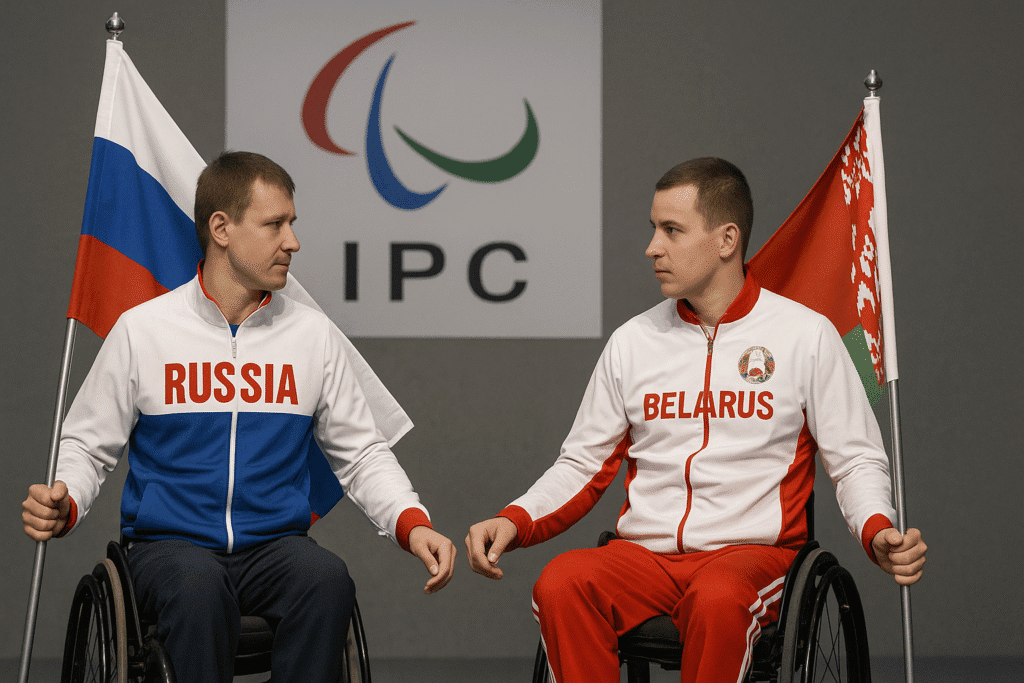
Russia & Belarus have returned to the global sports spotlight after the International Paralympic Committee (IPC) announced their reinstatement as official members. The decision, however, came with a significant restriction — the two nations will not be allowed to participate in the Milano Cortina 2026 Paralympic Winter Games. This complex ruling highlights the delicate balance between political accountability and athletic inclusion within the international sporting community.
The IPC’s Decision and Its Meaning
The reinstatement of Russia & Belarus marks a significant shift from the suspension imposed after the 2022 invasion of Ukraine. According to IPC President Andrew Parsons, the move restores administrative rights within the Paralympic movement but does not extend to competitive participation.
Essentially, the decision allows both countries to vote on IPC matters and attend meetings, while their athletes remain barred from participating in events. For the IPC, this middle ground aimed to preserve fairness, yet it also reignited global debate over whether the line between politics and sport can truly exist.
Why the Ban Still Applies
Despite reinstatement, the IPC confirmed that athletes from the two nations will remain excluded from Milano Cortina 2026. Officials cited ongoing concerns about neutrality, fair competition, and the geopolitical situation as reasons for maintaining the ban.
While representatives from Russia & Belarus urged the IPC to keep sports separate from politics, the majority of committee members upheld the existing restrictions. The result reflected how international sports federations continue to navigate a moral and political tightrope since the war began.
Reactions Around the World
The global response to the IPC’s ruling on Russia & Belarus was sharply divided. Some international bodies commended the reinstatement as a positive diplomatic gesture toward reintegration. Others, including Ukraine’s Paralympic officials, condemned the move as premature and harmful to the Paralympic movement’s credibility.
This contrast revealed how deeply intertwined sport and politics have become. Even though Russia & Belarus regained limited membership privileges, their absence from competition remains a symbol of the ongoing international divide.
Athletes Between Hope and Frustration
For athletes from Russia & Belarus, the IPC decision sparked a wave of mixed emotions. Regaining national representation was a relief for many, but continued exclusion from competition left others disheartened. Several athletes argued they were unfairly punished for circumstances beyond their control.
At the same time, the reinstated committees from both nations viewed the decision as a partial victory — a small but meaningful step toward full return. Yet, their hopes remain uncertain until global conditions change enough to justify a complete reinstatement.
Balancing Fairness and Responsibility
The IPC faced immense pressure to find a fair balance between inclusivity and accountability. Restoring Russia & Belarus’s membership status while preventing their participation served as a compromise to protect the integrity of the Games.
By choosing this path, the IPC avoided alienating nations that support Ukraine while keeping the door open for future reconciliation. This careful decision showed how international sporting organizations must navigate moral responsibility without losing sight of their founding values — unity and equality through sport.
The Road to Milano Cortina 2026
As the countdown to Milano Cortina 2026 continues, the question of whether athletes from Russia & Belarus will compete remains unanswered. The IPC emphasized that future participation depends on political developments and global consensus among member states.
Meanwhile, other delegations are preparing for the Games in an atmosphere where inclusion and ethics collide. The presence of these two reinstated members — even without athletes on the field — ensures their influence and legacy will continue to shape discussions in Paralympic governance.
Different Approaches Across Sports
The IPC’s stance on Russia & Belarus differs from that of other governing bodies. For instance, the International Olympic Committee (IOC) has allowed certain athletes to compete as neutrals, while sports like athletics and figure skating continue to impose full bans.
This inconsistency across organizations demonstrates the difficulty of establishing universal rules. Each federation must interpret “fairness” through its own lens, meaning that Russia & Belarus remain caught between limited acceptance and ongoing exclusion.
A Defining Moment for Global Sport
The reinstatement of Russia & Belarus serves as a defining moment for global sport. It challenges the notion that sports can ever be entirely separated from politics and forces institutions to confront complex ethical realities.
As the world prepares for Milano Cortina 2026, the IPC’s decision will be seen as either a cautious step toward reconciliation or a missed opportunity for unity. Regardless of interpretation, the move ensures that both nations will continue to influence conversations around integrity, inclusion, and justice within international athletics.
Conclusion
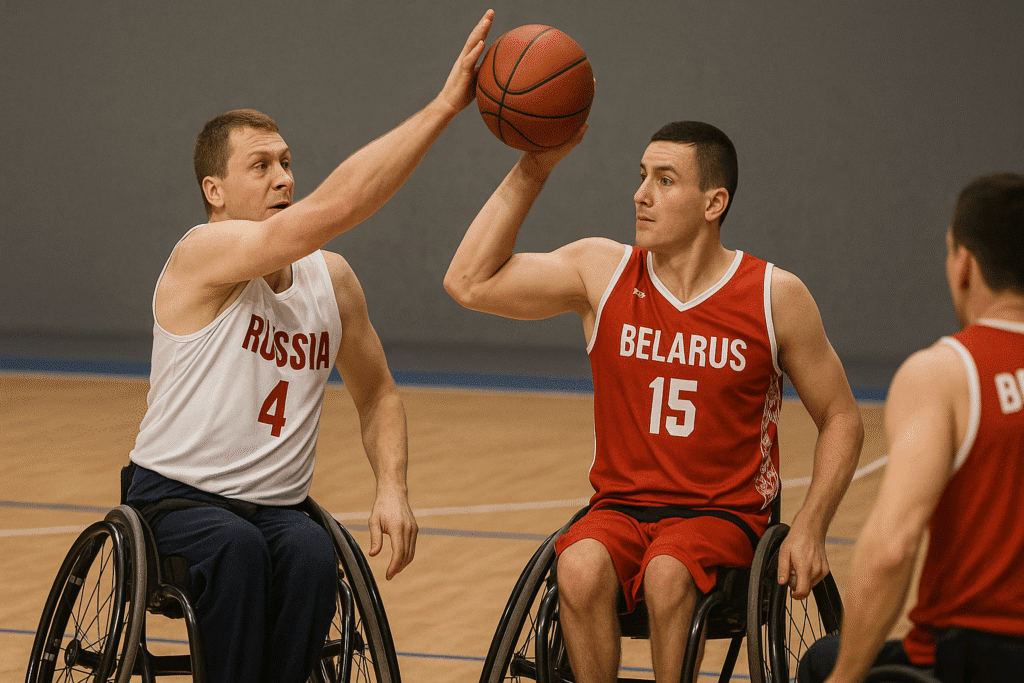
In conclusion, the IPC’s partial reinstatement of Russia & Belarus underscores the fragile intersection between sport and global politics. While the two countries regain administrative standing, their athletes remain sidelined from competition.
This decision reflects an ongoing evolution in how the Paralympic movement defines fairness in a world divided by conflict. As 2026 approaches, the story of Russia & Belarus will continue to test the balance between moral responsibility and the universal spirit of sport.
No athletes from Russia, Belarus qualify for Milan Paralympics
Cameron Johnson: The Nuggets’ Inspiring New Secret Weapon 2025