
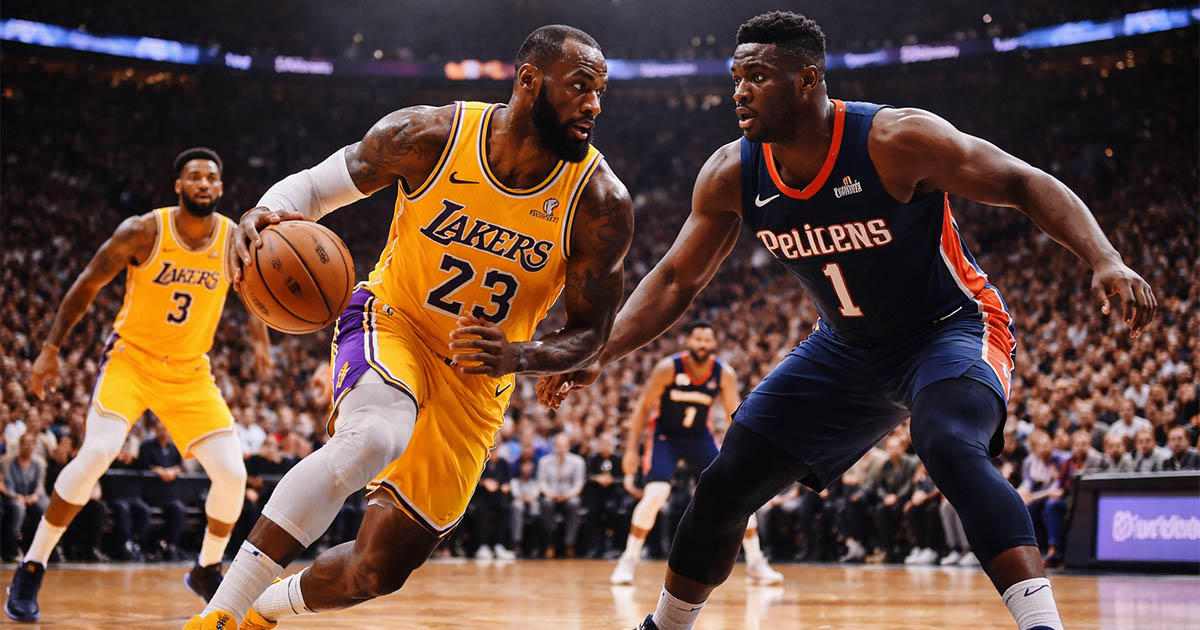
Zion Williamson vs Lakers Interior Defense
How Zion’s Physicality Impacts the Paint Battle
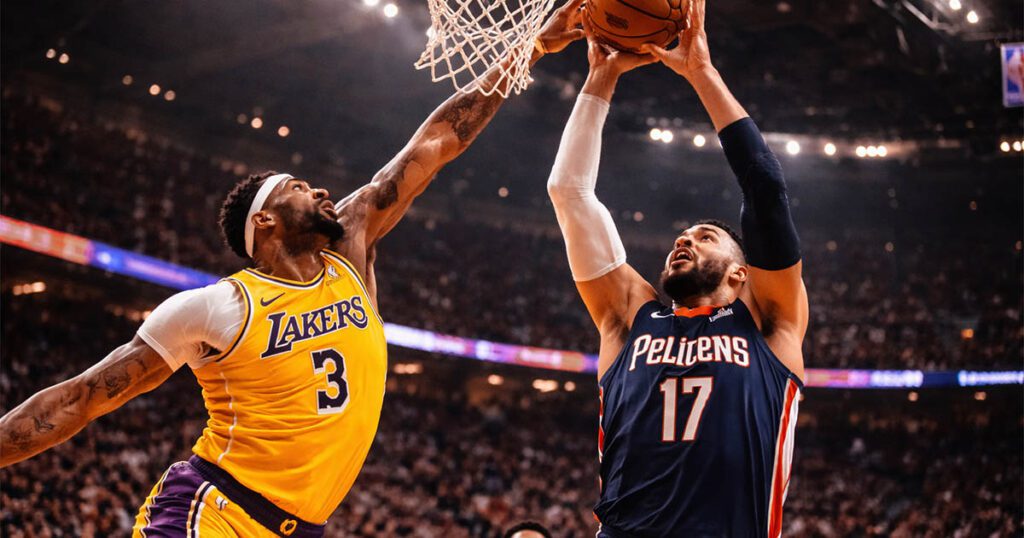
The NBA season is full of compelling storylines, but few games carry the blend of star power, physical intensity, and tactical intrigue quite like the Lakers vs Pelicans matchup. With Zion Williamson’s brute-force rim pressure, LeBron James’ timeless brilliance, and Anthony Davis’ dominance on both ends, this clash goes far beyond a routine regular-season meeting. It’s a test of identity, execution, and resilience — and the outcome may hinge on a handful of decisive head-to-head battles.
In this in-depth breakdown, we explore the strategic layers behind the Lakers vs Pelicans showdown, focusing on six critical matchups that could determine which team takes control when the final buzzer sounds. This isn’t just a game of highlights — it’s a chessboard of adjustments, discipline, and situational awareness.
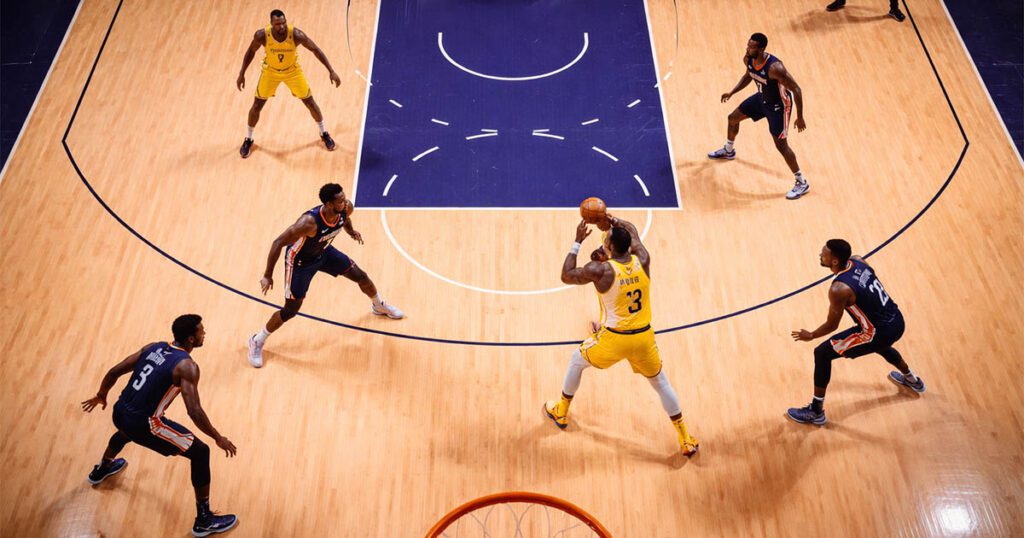
1. Zion Williamson vs the Lakers’ Interior Defense
Few players in the league collapse a defense like Zion Williamson. In the Lakers vs Pelicans contest, Zion’s ability to attack downhill will force Los Angeles to make constant decisions: load the paint and risk open shooters, or guard him one-on-one and test physical limits. When Zion gets two feet in the lane, the game shifts instantly from structure to scramble.
The Lakers’ interior defense will rely heavily on timing, positioning, and discipline in rotation. Anthony Davis remains the anchor, but even he can’t afford early foul trouble. The challenge isn’t just stopping Zion — it’s absorbing his impact over four quarters. If Los Angeles walls off the paint and funnels drives toward help, they’ll reduce New Orleans’ rhythm. If not, Zion may dictate tempo from the opening tip.
More than any individual duel, this matchup embodies the central question of the Lakers vs Pelicans battle: can LA turn Zion’s strengths into contested shots and short-range compromises rather than high-efficiency finishes?
2. LeBron James vs the Pelicans’ Wing Defenders
Age may have changed LeBron James’ pace, but not his command of the game. In the Lakers vs Pelicans preview of key matchups, his role as a playmaker, scorer, and stabilizer looms large. The Pelicans must decide whether to shade him with length, physicality, or rotation pressure — and none of those options are simple.
LeBron thrives in mismatches and late-clock situations. If New Orleans switches frequently, he’ll hunt favorable matchups. If they stay home, he’ll dissect gaps with patient passes. And if they over-commit, shooters on the perimeter become immediate threats.
The Pelicans’ defensive success hinges on discipline rather than aggression alone. LeBron’s experience gives him an advantage in reading coverage layers — a factor that makes this matchup one of the most decisive in the Lakers vs Pelicans narrative. Contain him, and New Orleans controls the pace. Fail to, and the game tilts toward LA’s rhythm.
3. Anthony Davis vs Jonas Valančiūnas in the Paint
Frontcourt battles often decide physical tone, and this one may set the foundation of the Lakers vs Pelicans confrontation. Anthony Davis’ mobility, rim protection, and mid-range versatility contrast sharply with Jonas Valančiūnas’ strength, rebounding presence, and interior scoring.
For Los Angeles, Davis isn’t just a scorer — he’s a structural presence. When he dictates defensive spacing, transition opportunities emerge, and the floor opens for the Lakers’ wings. On offense, his ability to stretch out to the elbow or attack from the short-roll pulls New Orleans’ bigs into uncomfortable territory.
Valančiūnas, meanwhile, represents the Pelicans’ counterweight. His success lies in offensive boards, put-backs, and second-chance possessions. If he imposes himself physically, it can wear down LA’s interior core over time.
The balance between finesse and force inside could redefine the trajectory of the Lakers vs Pelicans matchup — especially in tight late-game moments.
4. Pelicans’ Three-Point Shooting vs Lakers’ Perimeter Coverage
Modern basketball often tilts on perimeter efficiency, and nowhere is that more evident than in this Lakers vs Pelicans showdown. The Pelicans’ perimeter shooters thrive off drive-and-kick flow, and when spacing is clean, their offense transforms from deliberate to explosive.
For the Lakers, the mission is simple but demanding: run New Orleans off the line without surrendering uncontested lanes inside. That means sharp close-outs, communication across switches, and awareness of weak-side relocations. Breakdowns in coverage don’t just cost points — they disrupt defensive confidence.
The Pelicans don’t need forty threes to win — they just need timely ones. A momentum-swinging corner three, a transition pull-up, or a clutch late-clock shot can alter chemistry on both ends.
If the Lakers’ rotations lag, the Lakers-Pelicans rhythm shifts decisively toward New Orleans. If they stay disciplined, LA keeps the game within its preferred structure.
5. Lakers Bench Unit vs Pelicans Second Rotation
Star power defines headlines — depth defines outcomes. In the Lakers vs Pelicans breakdown of pivotal matchups, the bench duel may quietly become the hinge point of the night. Second-unit stretches often determine whether a team survives fatigue waves or hands away momentum.
For Los Angeles, energy, pace, and role clarity are essential. Productive bench minutes relieve pressure from the stars and stabilize transition phases. For New Orleans, the second rotation must balance scoring initiative with defensive accountability, ensuring there’s no drastic drop-off in execution.
Games like this are rarely won in a single run — they’re shaped by cumulative momentum swings. A timely spark from a reserve, a defensive stop sequence, or a hustle-driven sequence can tilt psychology in subtle but meaningful ways.
Ultimately, the bench battle tests which side’s supporting cast is more prepared for the emotional stakes of the Lakers vs Pelicans encounter.
6. Game Pace: Transition Offense vs Half-Court Execution
Pace is not just speed — it’s control. In the Lakers vs Pelicans tactical framework, transition opportunities and half-court efficiency form the strategic backbone of both teams’ game plans.
The Lakers excel when they push after stops, leveraging early-offense mismatches and rhythm-based scoring. The Pelicans, however, thrive when they blend controlled tempo with sudden bursts of downhill aggression. Each possession becomes a tug-of-war between chaos and structure.
Turnovers, defensive rebounds, and outlet timing will be decisive factors. The team that imposes its preferred pace gains more than a statistical advantage — it gains psychological leverage. Slow the game too much, and athletic advantages are dulled. Speed it up recklessly, and discipline dissolves.
In matchups with this level of talent, execution under shifting tempo often defines the result — and the Lakers vs Pelicans contest is no exception.
Intangibles: Experience, Composure, and Late-Game Decision-Making
Beyond scouting reports and tactical diagrams lie the elements that can’t be measured: composure, communication, trust, and leadership. Games featuring star-driven lineups often come down to late-clock poise and possession-by-possession focus.
LeBron’s leadership, Davis’ defensive instincts, Zion’s emotional energy, and the Pelicans’ emerging confidence all intersect in clutch situations. One disciplined rotation, one missed coverage, one rebound — these moments define close games.
In the final stretch of the Lakers vs Pelicans matchup, execution under pressure may matter more than any play drawn on a clipboard.
Final Thoughts
The beauty of this game lies not only in star power, but in contrasts — physical force vs structural defense, experience vs momentum, transition bursts vs half-court patience. Each of the six critical matchups carries its own story, yet all of them weave into a single competitive narrative.
When the dust settles, the winner of the Lakers vs Pelicans showdown won’t simply be the team with the flashiest highlights — it will be the team that reads situations better, adapts faster, and responds with discipline when the game demands it most.
Also read for more information : James and Doncic each score 30 to help the Lakers hold off the Pelicans 111-103
Read next on Dribkick : Spurs vs Knicks: 7 Defining Moments That Shaped the NBA Cup Battle